
Sinoloben Europa Trading GmbH
瀚誉欧洲进出口贸易有限公司


Regarding China's upcoming safeguard measures on beef imports, the industry widely anticipates that China will implement a quota system with a relatively large scale, imposing tariffs higher than the current 12% rate on portions exceeding the quota.
An Argentine exporter stated, "If overly strict restrictions are implemented, it will divert supply to other markets, ultimately pushing up domestic prices in China." Uruguay is assessing whether China will use data from the past three years as the benchmark for quota allocation. If based on data from 2022 to the first ten months of 2024, Uruguayan beef accounts for 11% of China’s total beef imports. However, in the first ten months of 2025, Uruguay’s share has dropped to 7%.
A Uruguayan industry source consulted noted that bone-in beef might receive a higher quota. During a congressional hearing, Gastón Scayola, President of Uruguay’s National Meat Institute (INAC), stated that China’s Ministry of Commerce is "well aware" that its domestic beef production growth is slower than consumption growth, and "this gap must be filled by imports." Scayola revealed, "Chinese authorities have repeatedly told us that the investigation is to provide an explanation to domestic producers and that they may address it by setting quotas. However, to maintain the current import scale, quotas must remain high, as ensuring national meat supply is more important than protecting inefficient producers." He added that Chinese officials had indicated quotas "could be high," out-of-quota tariffs "could be significant," and any measures would be "highly temporary."
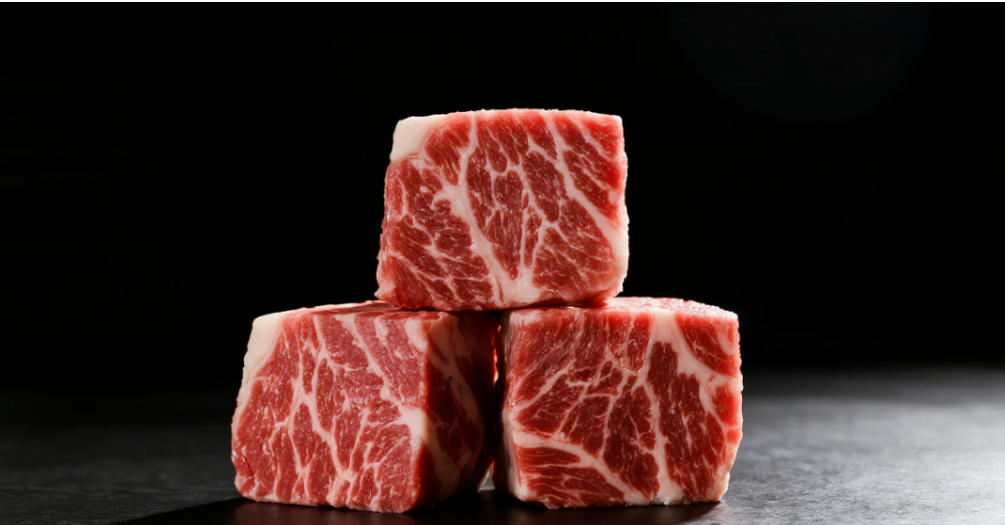
China’s Safeguard Measures Must Follow WTO Non-Discrimination Principle
Former WTO ambassador and arbitrator Guillermo Valles pointed out that if China adheres to international rules, it must not differentiate between supplying countries when implementing safeguard measures on beef imports.
In an interview with local media, Valles stated that WTO regulations require that the quota volume should not be lower than recent import levels and should be based on the average of the three years prior to the investigation. He emphasized that "the market shares of supplying countries" and the existing market structure before the investigation must be respected.
热品推荐





Follow Us on